
Flatfoot Treatment in Seaford & Millsboro, DE
Professional Flatfoot Treatment in Seaford & Millsboro, DE
Many adults and children throughout the world have flat feet. It is a highly common condition, and many people who have it can go their entire lives being able to walk, run, and use their feet without issue. Unfortunately, some people experience significant pain and discomfort because of the condition. If that sounds like you, then Southern Delaware Foot & Ankle is here to help you. We offer flatfoot treatment for patients in Millsboro, DE and Seaford, DE and the surrounding areas. Below, you’ll find more information about the condition and the types of treatment options available to you.
What is Flatfoot? What Causes It?
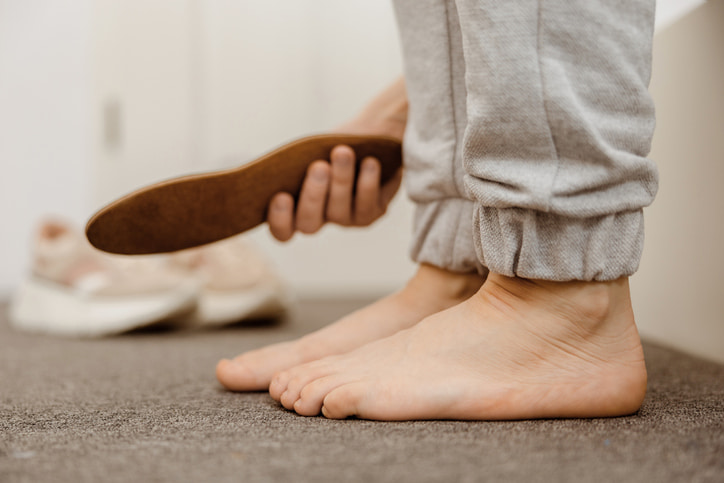
Flatfoot is a condition where the foot's arch is lowered or collapsed. This makes the foot’s sole come into full contact with the ground. Without proper care, it can lead to instability, discomfort, and difficulty walking. Some of the common causes of flatfoot include the following:
- Posterior tibial tendon dysfunction weakens arch support.
- Aging and gradual wear on foot structures.
- Genetic factors that affect foot shape and alignment.
- Arthritis that damages joints in the foot.
- Foot or ankle injury and trauma.
- Acquired flatfoot, which occurs over time due to changes in the tendons.
The Common Types of Flatfoot
There are a few distinct types of flatfoot. Each has different causes and progression patterns. And they can range from painless to very painful. The type of flatfoot that you have will have a large influence on the treatments you’ll receive. They include the following:
- Flexible Flatfoot: The foot has a normal appearing arch when sitting or at rest, but not when standing.
- Rigid Flatfoot: With this type, the foot is in a fixed flat position, whether the individual is standing or not.
- Adult Acquired Flatfoot: This type develops over time due to tendon damage or dysfunction.
- Congenital Flatfoot: A type of flatfoot that the individual is born with.
The Symptoms of Flat Feet
The signs and symptoms of flatfoot can vary in severity, ranging from harmless to concerning. These problems on your feet can lead to pain in your knee, hip, or lower back. If you notice one or more of the following, we recommend scheduling an appointment with your foot doctor:
- Chronic or severe pain in the arch or the heel.
- Pain or discomfort whenever you walk or use your feet.
- Ankles rolling inward.
- Swelling along the inner ankle.
- General swelling or tenderness in your feet.
- Issues with standing, especially on your tiptoes
- Changes in your walking patterns, or in your ability to walk in general.
The Treatment Options for Flatfoot
Are you tired of flat feet causing pain or interrupting your daily activities? If so, here are some of the treatments we can either recommend or provide for you:
- Flatfoot Surgery: These include surgeries to restore arch structure, improve alignment, reduce pain, and enhance overall foot function.
- Flatfoot Reconstruction: This treatment combines bone realignment and tendon repair to rebuild arches and correct progressive flatfoot.
- Physical Therapy: Physical therapy can strengthen foot and ankle muscles, improve flexibility, restore mobility, and support long-term recovery.
- Stretching: Guided stretching routines may help relieve tight tendons, improve flexibility, and reduce strain on the arch, preventing symptoms from worsening.
- Custom Braces and Orthotics: You can get custom braces or inserts to support your arches and evenly distribute weight across them.
Flatfoot Treatment Recovery and Aftercare
The level of aftercare you need will depend on the type of treatment you get. Surgical procedures may take days, weeks, or months to recover from, while minimal or less invasive treatments may allow you to get back on your feet sooner. In general, some of the common post-treatment care and healing tips you can expect, regardless of what type of treatment you get, may include the following:
- Rest and limited use of your foot.
- Physical therapy to restore strength and flexibility.
- A gradual return to normal activities.
- Ongoing use of supportive footwear or orthotics.
- If recommended, possible medications to alleviate pain and discomfort.
Choose Us for Flatfoot Treatment Today
Are you experiencing foot pain or signs of an adult flatfoot condition? If so, early evaluation can prevent further complications. Southern Delaware Foot & Ankle of Millsboro, DE, and Seaford, DE, provides personalized flatfoot treatment to improve our patients' comfort and ease their pain. We offer customized care plans that adhere to the unique needs of their feet. Do not ignore persistent foot pain. Instead, contact us today to schedule your consultation. We aim to improve your foot health and quality of life.
FAQs
Choose Us for Flatfoot Treatment Today
Yes. Flatfoot can worsen if left untreated, or as the patient ages and uses their feet more and more. That's why we recommend early intervention to help slow or prevent the progression of flatfoot.
Are Flat Feet Always Painful?
Not necessarily. Many people with flat feet experience no pain at all. Pain is more common in adults or in cases involving tendon dysfunction or structural changes.
What Type of Shoes Are Best for Flatfoot?
Orthopedic shoes or footwear are ideal for individuals with flat feet. There are also stability or motion-control shoes that can help improve alignment and reduce strain.
To learn more about foot and ankle conditions, visit the American College of Foot and Ankle Surgeons’ patient education website, FootHealthFacts.org
